Unveiling the Dark Map of US History: 10 Grim Truths You Must Know
In the dim corridors of American history, the map of the United States is more than a geographical guide—it is a haunted landscape of conquest, oppression, and relentless ambition. Beneath the bright colors of state borders lies a tapestry woven with blood, betrayal, and the relentless pursuit of power. This article pulls back the curtain on ten unsettling chapters that shape the nation's shadowed past, forcing us to confront the darkness that lies at the heart of the land we call home.
1. The Founding of a Nation on Oppression
When the Declaration of Independence proclaimed liberty, the reality was a paradox: a nation founded on the ideals of freedom while simultaneously upholding chattel slavery. The Founding Fathers, many of whom owned slaves, crafted a Constitution that codified the very injustice they claimed to condemn. This contradiction has cast a long, ominous shadow over American political culture, reminding us that liberty was, at first, a privilege reserved for a select few.
2. The Trail of Tears: A Forced Exodus into the Wilderness
In the 1830s, the Indian Removal Act set in motion one of the most harrowing mass displacements in history. Thousands of Native Americans, primarily from the Cherokee, Choctaw, and Creek tribes, were compelled to march hundreds of miles into unknown territories. The brutal journey, known as the Trail of Tears, claimed the lives of an estimated 16,000 individuals, a grim testament to the cost of expanding the American frontier.
3. The Blood-Soaked Civil War
Between 1861 and 1865, the nation fractured into a brutal civil war that pitted brother against brother. The conflict, fueled by deep economic and ideological divides, resulted in the highest casualty numbers of any war in American history. The bloodshed, coupled with the moral crisis of slavery, left a scarred national psyche that would take decades to heal.
4. Jim Crow’s Shadow Over the South
Following Reconstruction, the South embraced Jim Crow laws that institutionalized racial segregation and disenfranchised African Americans for nearly a century. These laws were not merely legal statutes; they were a social architecture designed to reassert white supremacy. The lingering effects of this era persist, manifesting in systemic inequities and an ongoing struggle for civil rights.
5. The Dark Legacy of the Transcontinental Railroad
While the transcontinental railroad is hailed for connecting coasts, its construction was built on the exploitation of immigrant laborers, Chinese and Irish alike, many of whom faced deadly hazards, low wages, and violent reprisals. The railroad’s rise was shadowed by a ruthless pursuit of progress that left countless workers in poverty and death.
6. The Great Depression’s Hidden Toll
The 1930s recession was marked by economic collapse, mass unemployment, and a deepening sense of hopelessness. Yet beyond the headlines lies the grim reality of the Dust Bowl—a series of severe dust storms that devastated agricultural communities, forced mass migrations, and led to widespread starvation. The psychological toll of this era has left indelible marks on generations.
7. The Cold War’s Cold Terror
During the Cold War, the United States engaged in a silent but deadly game of nuclear brinkmanship. The fear of mutually assured destruction permeated everyday life, while covert operations in Latin America, Asia, and Africa often involved espionage, coups, and human rights abuses. The shadows of these covert actions continue to haunt the nation’s foreign policy legacy.
8. The Ongoing Struggle for LGBTQ+ Rights
From the Stonewall riots of 1969 to the present day, LGBTQ+ individuals have faced institutionalized discrimination, social ostracism, and violence. The fight for recognition and equality has been marred by a culture that criminalized same-sex relationships and perpetuated stigma, creating a bleak reality for many who seek simply to live openly.
9. Climate Change: A Looming Natural Catastrophe
While not a human conflict, the United States’ historical reliance on fossil fuels has created an environmental crisis of unprecedented scale. From devastating wildfires to rising sea levels, the nation’s geographic map is being reshaped by climate change—an ominous reminder that the cost of industrialization may one day eclipse the country’s economic achievements.
10. The Shadow of Institutional Racism in Policing
Modern America still grapples with systemic racism in law enforcement. High-profile incidents of police brutality, especially against Black communities, highlight a persistent pattern of abuse and mistrust. These events, often covered by national media, serve as stark reminders that the fight for justice continues beneath the surface of the American experience.
Across these ten points, the dark map of U.S. history reveals a complex mosaic of triumphs and tragedies. Each chapter is a reminder that the pursuit of progress often comes at a steep price, and that acknowledging this history is the first step toward a more honest and equitable future.
USA Globe Map

USA Globe Map
USA Maps

USA Maps
Map Of The USA - History Of The Land

Map of the USA - History of the Land
Us Historical Maps , Historical Maps Of The United States – IZBHYU
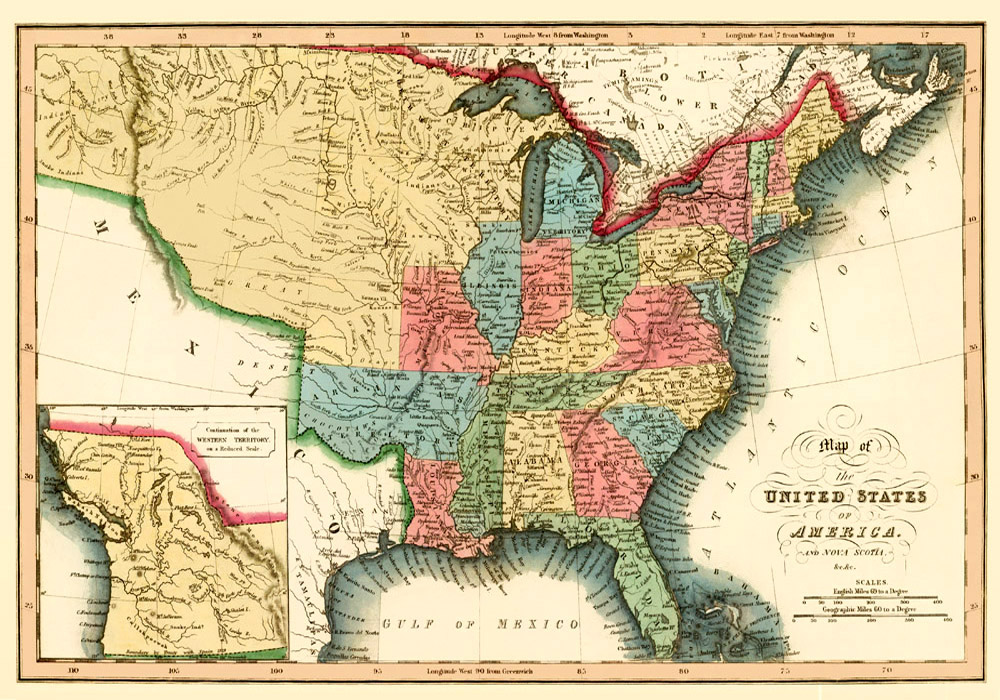
Us Historical Maps , Historical Maps of the United States – IZBHYU
Usa Map History Geography

Usa Map History Geography
World History Map
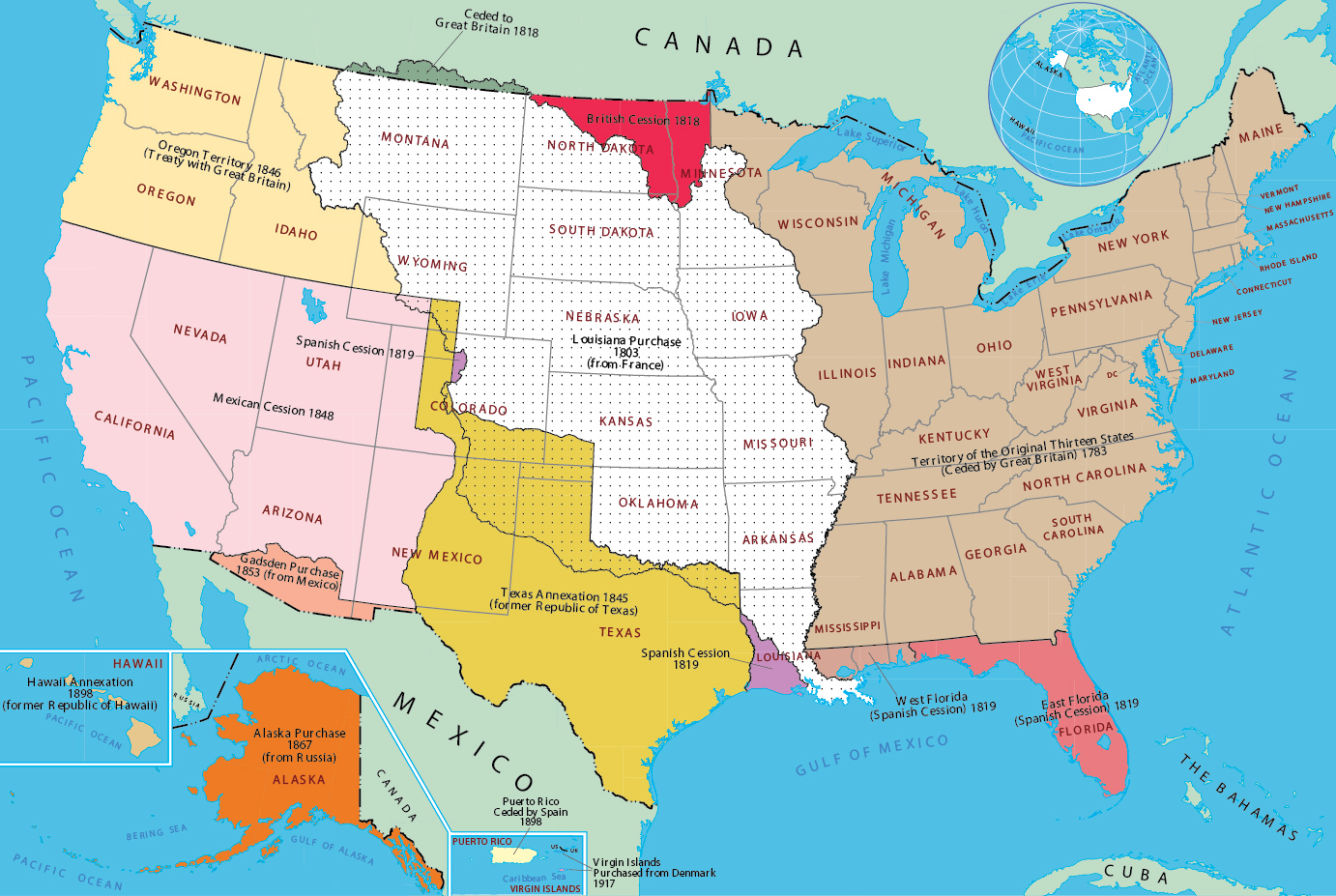
World History Map
Interactive United States History Map For SMARTBoard | Teaching Us

Interactive United States History Map for SMARTBoard | Teaching us ...
The United States, History Of The Land - Published 2006 Map | Stanfords

The United States, History of the Land - Published 2006 Map | Stanfords
Detailed Historical Map Illustrating The United States And Its Regions
Detailed Historical Map Illustrating the United States and Its Regions
U.S. History Map Interactive - Annenberg Learner
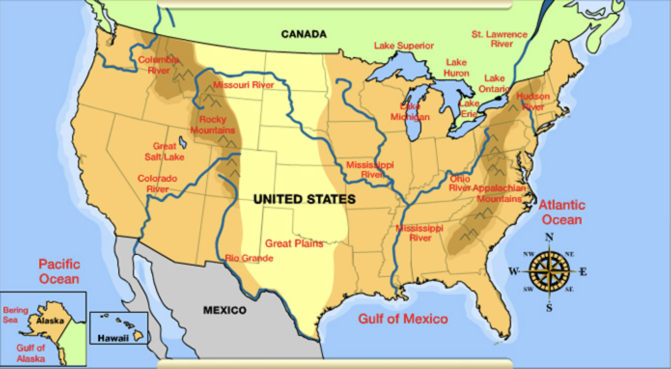
U.S. History Map Interactive - Annenberg Learner
Detailed Historical Map Illustrating The Geography Of The United States
Detailed Historical Map Illustrating the Geography of the United States
Map Of Us Before 1848
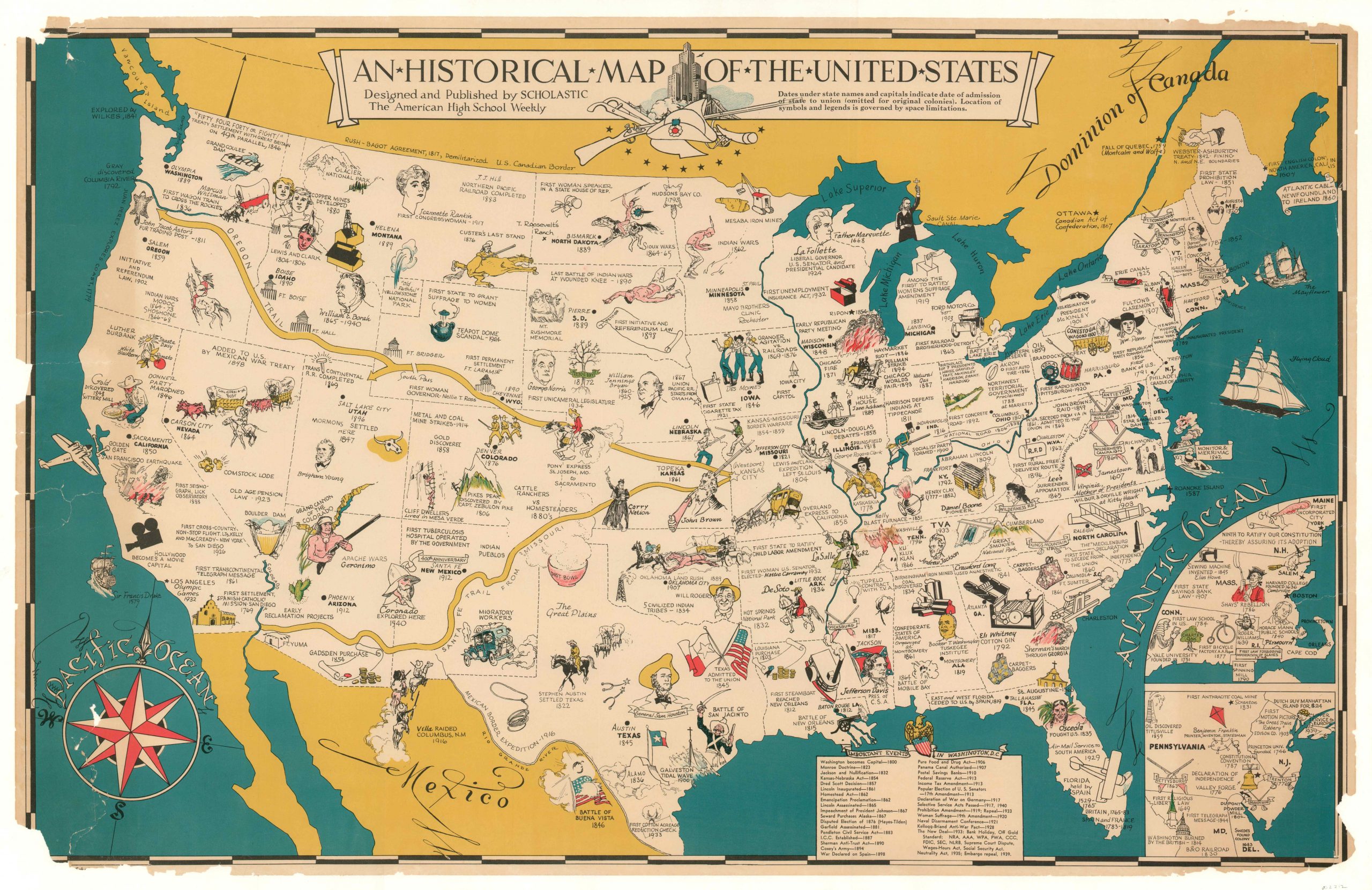
Map Of Us Before 1848
Full Page Us Map
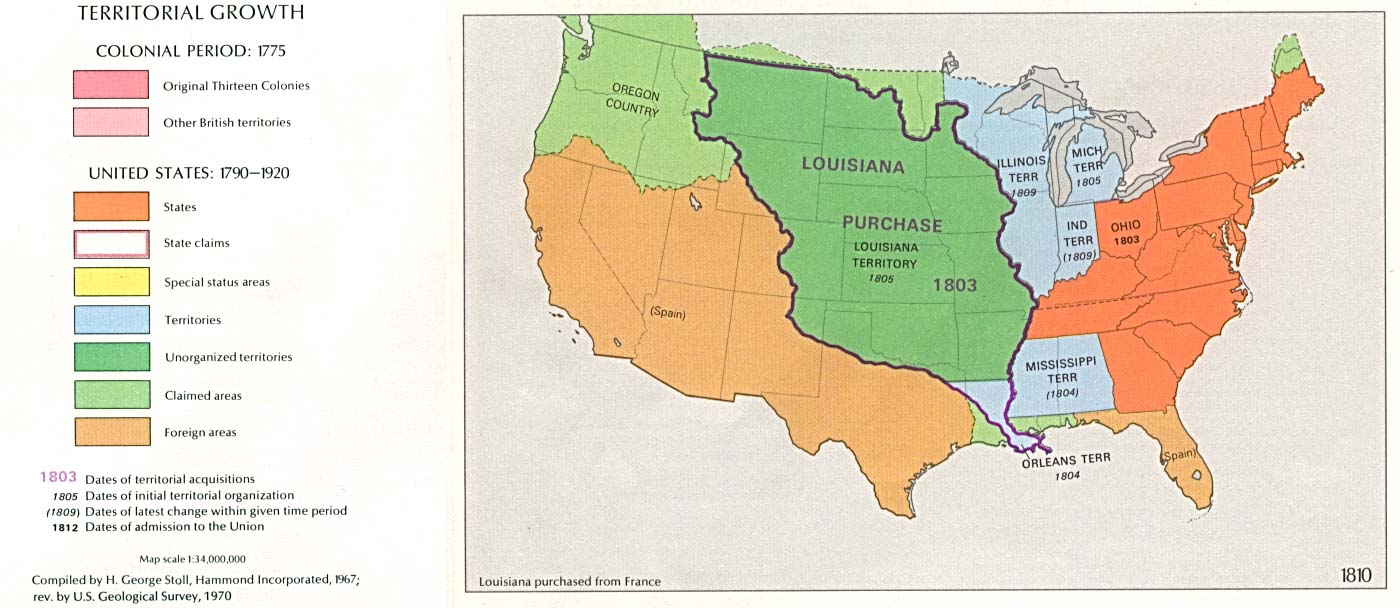
Full Page Us Map
Mark Twain Maps For US History Geography Workbook, American History And

Mark Twain Maps for US History Geography Workbook, American History and ...
Amazon.com: Mark Twain US History Book, Geography Workbook For Grades 5

Amazon.com: Mark Twain US History Book, Geography Workbook for Grades 5 ...
Map Of Usa History , Category : Maps Of The History Of The United

Map Of Usa History , Category : Maps of the history of the United ...
Historic Us Maps For Sale
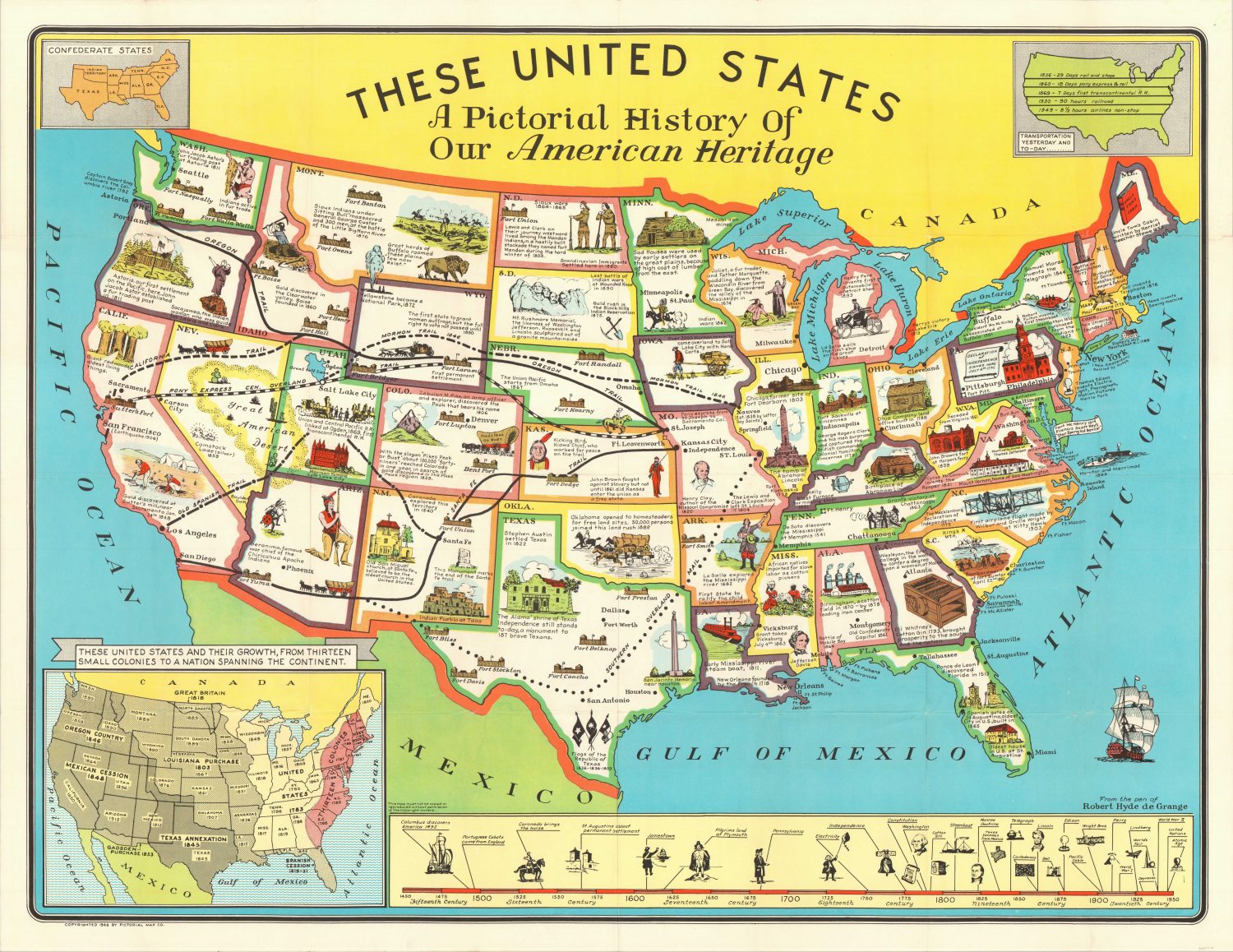
Historic Us Maps For Sale
Old USA Map | Printable Map Of USA

Old USA Map | Printable Map Of USA
